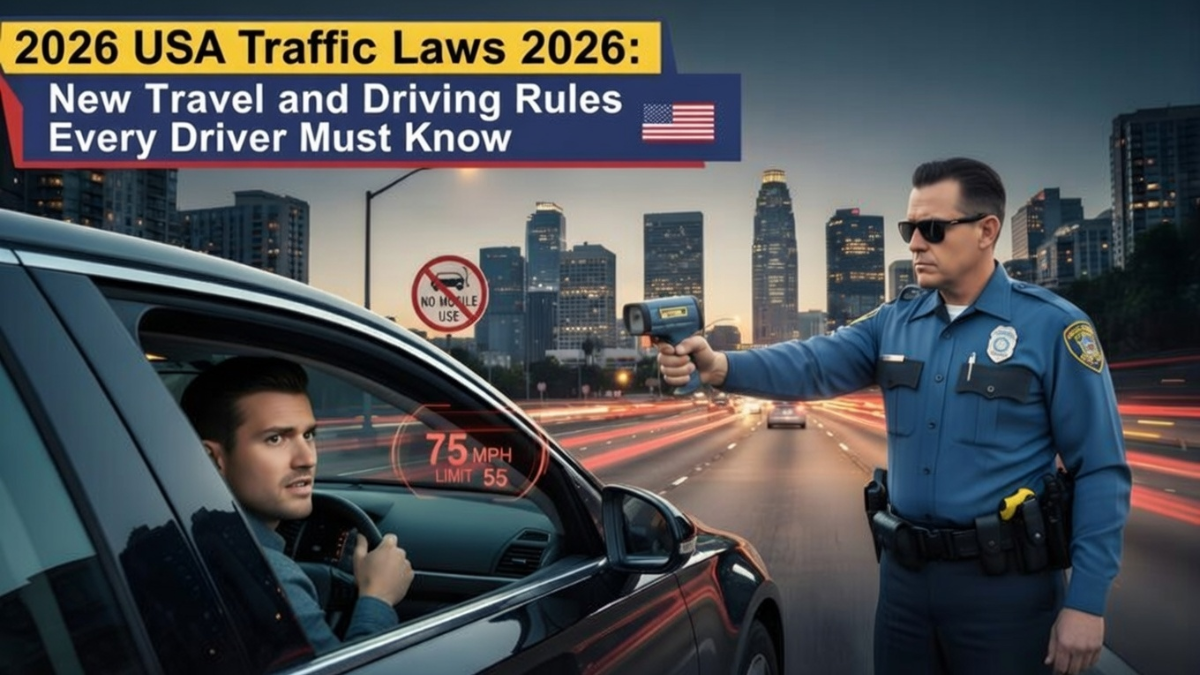
Drivers across the United States are heading into 2026 with important traffic law updates that could affect daily commutes, long-distance travel, and even insurance costs. The new rules focus on stricter enforcement, modernized safety standards, and adapting road laws to changing driving behaviors and technology. For millions of motorists, understanding these updates early is critical to avoiding fines, points, and unexpected penalties.
Why Traffic Laws Are Changing in 2026
Traffic patterns in the U.S. have evolved rapidly over the past decade. Increased congestion, distracted driving, and higher accident rates in certain regions have pushed lawmakers to strengthen enforcement and update outdated regulations.
The 2026 changes aim to improve road safety, reduce fatalities, and bring consistency to how violations are handled. Rather than relying only on traditional enforcement, authorities are increasingly using technology and data to monitor compliance.
Who Is Leading the 2026 Traffic Law Updates
At the federal level, traffic safety initiatives are guided by the United States Department of Transportation, while individual states are responsible for implementing and enforcing specific rules. This means that while many changes follow common themes nationwide, exact fines and penalties may still vary by state.
Drivers should be aware that state and local laws remain the final authority, even when changes are influenced by federal guidance.
Stricter Speeding and Reckless Driving Penalties
One of the most noticeable trends in 2026 is tougher action against speeding and reckless driving. Many states are increasing fines for excessive speeding and repeat violations, especially in school zones, construction areas, and high-accident corridors.
Drivers caught exceeding limits by large margins may face higher fines, more points on their licenses, or longer suspension periods than in previous years.
Expanded Use of Traffic Cameras and Automated Enforcement
Automated enforcement continues to expand nationwide. Speed cameras, red-light cameras, and digital monitoring systems are becoming more common, particularly in urban areas.
These tools allow authorities to issue citations without traffic stops, increasing the likelihood that violations are detected. For drivers, this means brief or habitual speeding is more likely to result in a ticket.
Tougher Distracted Driving Rules
Distracted driving remains a major safety concern, and 2026 brings stricter enforcement in many states. Laws targeting mobile phone use, screen interaction, and inattentive driving are being enforced more aggressively.
Even hands-free use may be scrutinized if it interferes with safe vehicle operation. Repeat offenders could face escalating fines and license penalties.
Changes Affecting License Points and Suspensions
Several states are updating how quickly license points accumulate and how soon suspensions can occur. Under the 2026 framework, multiple minor violations within a short period may trigger suspension reviews faster than before.
This approach is designed to address habitual unsafe driving and remove high-risk drivers from the road sooner.
Rules Impacting Commercial and Long-Distance Travel
Commercial drivers and frequent travelers may also see changes. Updated compliance standards, stricter monitoring, and enhanced reporting requirements aim to improve safety on highways and interstates.
Drivers who travel across state lines should pay extra attention, as enforcement consistency is increasing even though state laws differ.
What Drivers Should Pay the Most Attention To
The new rules affect everyday driving habits more than many motorists expect.
- Higher fines for serious and repeat offences, expanded use of traffic cameras, stricter distracted driving enforcement, faster license suspensions, and increased monitoring in high-risk zones.
Understanding these areas can help drivers avoid costly mistakes.
How These Changes Could Affect Insurance Costs
Traffic violations directly influence insurance premiums. With stricter enforcement and faster penalty escalation, even a single ticket in 2026 could have a greater financial impact at renewal time.
Safe and consistent driving is becoming increasingly important for both legal compliance and long-term affordability.
Conclusion
The USA traffic laws for 2026 mark a clear shift toward stricter enforcement, greater use of technology, and faster consequences for unsafe driving. While exact rules vary by state, the overall message is consistent: violations will be harder to ignore and more costly. Staying informed, adapting driving habits, and paying attention to local regulations are the best ways for drivers to stay safe, legal, and financially protected in 2026 and beyond.
Disclaimer: This article is for informational purposes only. Traffic laws and penalties vary by state and are subject to change. Drivers should consult official state and federal transportation authorities for the most accurate information.