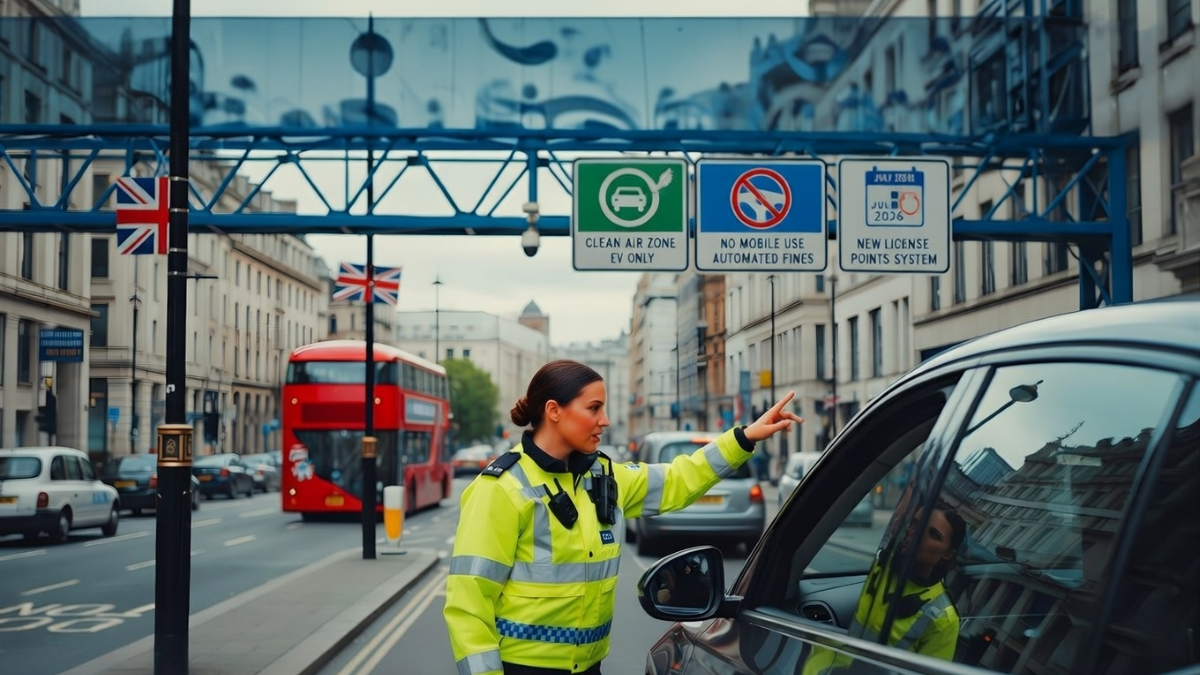
UK drivers are set to face a series of important motor law changes from 2026 onwards, with new rules aimed at improving road safety, tightening enforcement, and modernising how offences are handled. From stricter penalties to expanded use of technology, these updates could directly affect how motorists drive, insure, and maintain their vehicles. Understanding what is changing is essential to stay compliant and avoid unexpected costs.
Why the UK Is Updating Motor Laws
The UK government has been under increasing pressure to address road safety concerns, rising accident numbers in certain regions, and the growing complexity of modern driving. Advances in vehicle technology, changes in driving behaviour, and increased traffic volumes have made older regulations less effective.
The 2026 reforms are designed to close legal gaps, strengthen deterrence for dangerous driving, and ensure road laws reflect current risks and realities.
Who Is Responsible for the New Rules
The updates are being developed and implemented under the oversight of the Department for Transport, working alongside enforcement bodies such as the Driver and Vehicle Licensing Agency. While some changes apply nationwide, others may be introduced gradually or supported by local authorities.
Stricter Penalties for Speeding and Dangerous Driving
One of the most significant changes from 2026 onwards involves tougher penalties for speeding and high-risk driving behaviour. Drivers exceeding speed limits by larger margins may face higher fines, increased penalty points, or longer driving bans.
Repeat offenders are expected to see faster escalation of penalties, reducing the time between multiple offences and licence suspension.
Expanded Use of Speed Cameras and Digital Enforcement
UK roads are seeing increased use of automated enforcement, including average speed cameras and digital monitoring systems. These tools allow authorities to detect violations more consistently and reduce reliance on roadside stops.
As enforcement becomes more technology-driven, drivers may find it harder to avoid penalties for brief or habitual speeding.
Changes Affecting Mobile Phone and Distracted Driving Offences
Distracted driving remains a major focus of road safety policy. From 2026 onwards, penalties for mobile phone use while driving are expected to be enforced more strictly, with less tolerance for borderline behaviour.
Using handheld devices, interacting with screens improperly, or failing to maintain full control of a vehicle could result in heavier fines and penalty points.
Updates to Licence Points and Disqualification Rules
Motor law changes are also expected to affect how penalty points are accumulated and how quickly disqualification thresholds are reached. Drivers with multiple minor offences may face licence action sooner than under previous rules.
This approach targets repeated non-compliance and aims to remove high-risk drivers from the road more quickly.
What Everyday Drivers Need to Be Most Aware Of
The upcoming changes will affect daily driving habits more than many motorists realise.
- Higher fines for serious and repeat offences, expanded digital enforcement, stricter distracted driving rules, faster licence suspensions, and reduced tolerance for unsafe behaviour.
Being aware of these areas can help drivers adjust early and avoid penalties.
How These Changes Could Affect Insurance Costs
Stricter enforcement and faster penalty escalation may also impact insurance premiums. Traffic offences are closely monitored by insurers, and increased fines or points can lead to higher costs at renewal.
Safe driving will become even more important not just legally, but financially as well.
What Drivers Should Do Before 2026
Drivers are encouraged to review current driving habits, stay informed about official announcements, and take advantage of in-vehicle safety features such as speed limit alerts and hands-free systems.
Preparing early can reduce the risk of fines, points, and licence issues once the new rules are fully in effect.
Conclusion
The UK motor law changes from 2026 onwards signal a clear move toward stricter enforcement, higher penalties, and greater use of technology. While the goal is improved road safety, the impact on drivers will be very real. Staying informed, driving responsibly, and adapting early are the best ways to avoid fines and protect your licence in the years ahead.
Disclaimer: This article is for informational purposes only. Motor laws, penalties, and enforcement details may change and should be confirmed through official UK government sources.