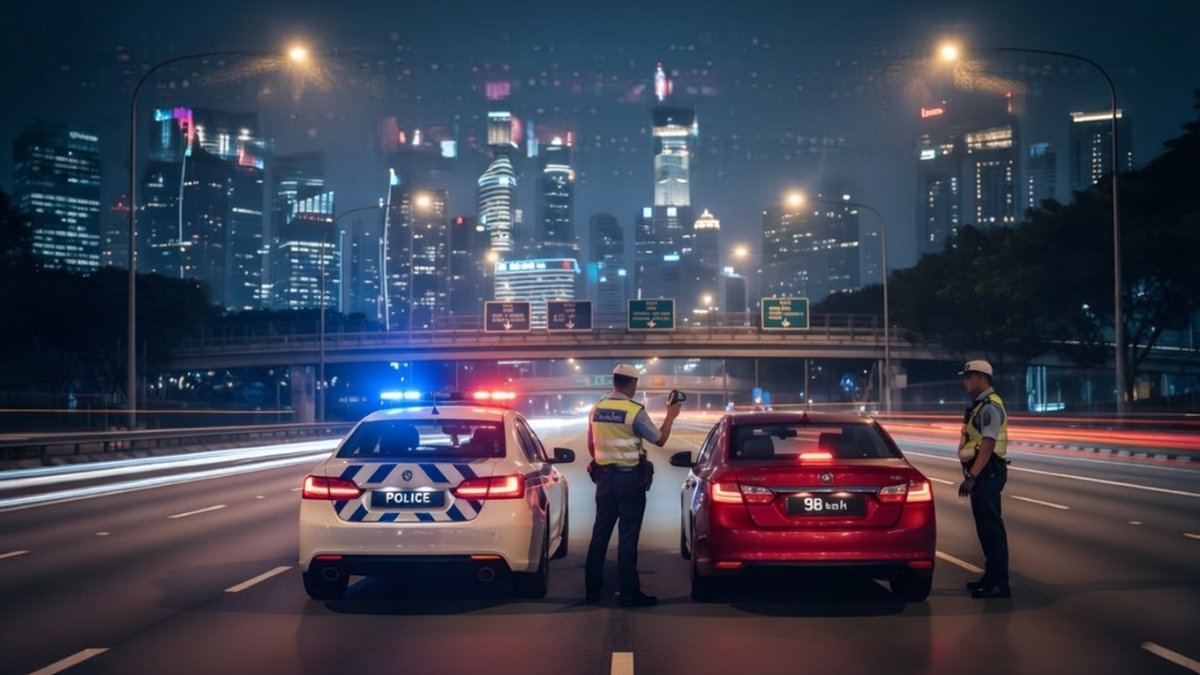
Singapore drivers are being urged to pay closer attention to their speedometers as authorities prepare to increase speeding violation fines in 2026. The move signals a tougher stance on road safety, with higher penalties aimed at reducing accidents and deterring repeat offenders. For everyday motorists, these changes could mean significantly higher costs and stricter consequences for even minor speeding offences.
Why Singapore Is Increasing Speeding Fines
Road safety remains a top priority for Singapore, especially as traffic density continues to rise. According to transport authorities, speeding is still one of the leading contributors to serious road accidents.
By raising fines in 2026, policymakers aim to strengthen deterrence and reinforce responsible driving behaviour. The updated penalties are designed to reflect current traffic conditions, inflation, and the real-world risks associated with speeding on busy urban roads.
Who Is Behind the New Speeding Rules
The changes are being implemented under the direction of the Land Transport Authority, working alongside traffic enforcement agencies. The updated fine structure aligns with broader road safety strategies that focus on prevention rather than reaction.
Authorities have emphasized that enforcement will be consistent and technology-driven, reducing discretion and increasing compliance.
What Drivers Can Expect to Change in 2026
Under the new rules, fines for exceeding speed limits are expected to increase across multiple categories. Minor speeding offences may still carry lower penalties, but repeat or high-speed violations could result in substantially higher fines and additional consequences.
Drivers who exceed limits by larger margins may also face higher demerit points or longer disqualification periods, depending on the severity of the offence.
Increased Role of Speed Cameras and Monitoring
Alongside higher fines, Singapore continues to expand its use of speed cameras and automated enforcement systems. These tools allow authorities to detect violations accurately and consistently, reducing the chances of speeding going unnoticed.
With more data-driven enforcement, drivers should expect a higher likelihood of being caught if they exceed speed limits, even briefly.
How the Changes Affect Everyday Drivers
For most motorists, the increased fines mean that habits previously seen as low-risk could now carry heavier financial consequences. Short bursts of speeding on expressways or late braking near speed cameras may result in larger penalties than before.
The updated rules place greater responsibility on drivers to remain constantly aware of speed limits, especially in zones where limits change frequently.
Why Repeat Offenders Face Greater Risk
One of the key objectives of the 2026 update is to address repeat speeding behaviour. Drivers with a history of violations may see penalties escalate faster, with higher fines applied earlier than under previous rules.
This approach targets habitual speeding and aims to prevent dangerous driving patterns from becoming normalized.
What Drivers Should Do to Prepare
As 2026 approaches, drivers are encouraged to review current speed limits and adjust driving habits accordingly. Using in-car alerts, navigation apps with speed warnings, and cruise control where appropriate can help reduce the risk of accidental speeding.
Being proactive now can prevent costly penalties once the new fine structure comes into effect.
Why This Matters Beyond Fines
The updated speeding penalties are not just about revenue or punishment. They reflect a broader shift toward safer roads, fewer serious accidents, and stronger accountability for all road users.
For drivers, understanding these changes early helps avoid fines, protect driving records, and contribute to safer travel for everyone.
Conclusion
The 2026 increase in speeding violation fines in Singapore marks a clear message to drivers: stricter enforcement and higher penalties are coming. With increased fines, expanded monitoring, and tougher consequences for repeat offenders, staying within speed limits will be more important than ever. Adapting driving habits now can help motorists avoid unnecessary costs and support Singapore’s long-term road safety goals.
Disclaimer: This article is for informational purposes only. Final fine amounts, enforcement details, and implementation timelines are subject to official government announcements and may change.